

Does Slide Design Really Matter?
A randomized pilot study testing whether redesigning a single clinical slide changes what an audience understands.
Free PDF, 4 pages

A presenter has 47 seconds of an audience’s attention and one slide to carry a safety analysis. Does it matter how that slide is built?
Most claims about presentation design in this market are asserted rather than measured. Design is treated as a matter of taste, which makes it easy to cut and hard to defend.
So we tested one specific principle under controlled conditions, on a real clinical slide, and measured whether it changed what an audience actually understood.
The study at a glance
A randomized pilot, run on a real clinical slide
Want the full study?
The four-page white paper carries the complete design, the effect sizes and significance, the persuasiveness findings and the limitations.
What was tested
Every participant watched the same 47-second clip of a presenter discussing a single clinical slide. They could watch it once.
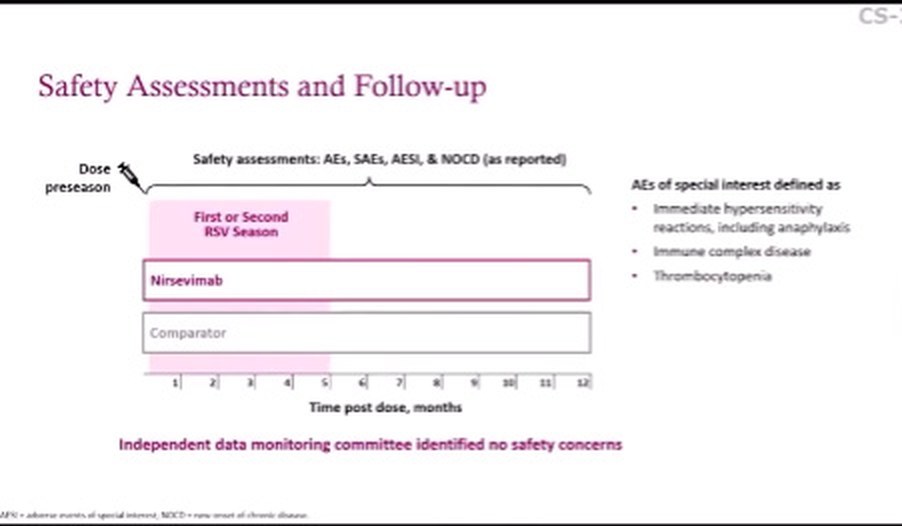
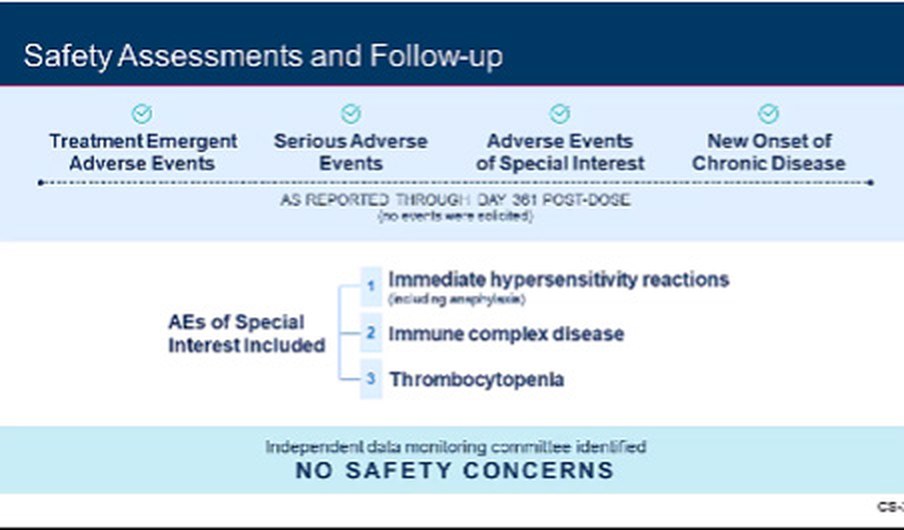
The control group saw the slide exactly as it was originally presented, complete from the first second. The test group saw the identical presenter and the identical audio, with the slide rebuilt so its content appeared progressively, in step with what was being said.
The principle under test was temporal contiguity, the alignment of spoken words and visual elements over time. It was chosen because it produces a concrete, visible change to a slide that can be isolated while everything else stays fixed.
What we found
Across four knowledge questions, participants who saw the progressively revealed slide achieved a 24% higher rate of correct answers than those who saw the original slide. Measures of clarity, design quality and ease of understanding also improved.
In 47 seconds, changing only when information appeared produced a 24% higher rate of correct answers.
What it means
The study does not suggest that every design change improves understanding. It tested one specific principle: aligning the timing of visual information with the presenter’s explanation.
But it does demonstrate something important. How information is presented on a slide can measurably affect what an audience understands, in under a minute, watched once.
Inside the full white paper
The four-page study includes:
- The study design and participant groups
- The original slide and the complete redesigned sequence
- Full comprehension and perception results
- Effect sizes and statistical significance
- The persuasiveness findings, including the null result
- Study limitations and implications for scientific presentations
The full white paper
Does Slide Design Really Matter?
The four-page study carries the full design, the complete redesigned sequence, effect sizes and significance, the persuasiveness findings including the null result, and the limitations. The download starts right away, and we will email you a copy so you can pass it on.
Common questions
Does slide design affect comprehension?
In our pilot study it did. 415 participants watched the same 47-second clip of a presenter discussing a single clinical slide, differing only in how that slide was built. The group that saw the content revealed in step with the narration achieved a 24% higher rate of correct answers across four knowledge questions.
What is temporal contiguity in presentation design?
It is the alignment of spoken words with visual elements over time, one of the principles in Richard Mayer's cognitive theory of multimedia learning. When a slide shows everything at once, an audience reads ahead while the presenter is still on an earlier point. Revealing content as it is discussed keeps both on the same beat.
What did the SlideSource study test?
One principle, on one slide, under controlled conditions. A randomized pilot with 415 participants, each watching a 47-second clip once. The control group saw a real clinical slide exactly as originally presented; the test group saw the same presenter and audio with the slide content revealed progressively. The full design, results and limitations are in the white paper.
Make your science easier to follow.
See how SlideSource helps scientific and Medical Affairs teams turn complex data into presentations an audience can actually take in.
Explore Presentation Design